Record Military Spending and Social Cuts: Russia Approves Budget for Upcoming Years
The Russian State Duma passed the 2027–2029 budget, allocating every third ruble to military needs while cutting healthcare and education.
 💼Economy
Photo: UNIAN
Key points
- Russian military spending will rise to 17.1 trillion rubles in 2025.
- Social programs and healthcare face significant funding cuts.
- New taxes on income and foreign online purchases are being introduced.
The Russian State Duma has officially approved the federal budget for the 2027–2029 period. The defining feature of the document is an unprecedented surge in security sector spending, reaching levels not seen since the Soviet era. Simultaneously, funding for social programs, healthcare, and housing is being significantly reduced, signaling a complete reorientation of the neighboring state's economy toward military requirements.
Priority: Weapons and Security Forces
According to the enacted law, 17.1 trillion rubles will be allocated to the "National Defense" category next year, a 32% increase compared to the current year. Effectively, one out of every three rubles (35%) from the state treasury will be spent on arms procurement and military maintenance. When combined with internal security expenditures—which include budgets for special services and police (4.6 trillion rubles)—the total share for security structures will consume 44% of all budget funds.
In contrast to the military sector, civilian sectors face substantial losses. Spending to support the national economy will drop by 3%, while the housing and utilities sector will see an 8% funding cut. Healthcare is also under pressure, with its budget shrinking by 3%. The most radical changes affect social projects: for instance, the support program for large families will lose 40% of its funding, and the "Long and Active Life" initiative will be cut by 20%.
Tax Pressure and Deficits
To cover these record expenditures, the government is introducing several new taxes. Specifically, a windfall tax on mining companies is being implemented, and the personal income tax rate for passive income will rise to 22%. Additionally, purchases from foreign online retailers will now be subject to a 22% VAT. Despite these measures, the budget remains deeply in deficit, with expenditures expected to exceed revenues by 5.4 trillion rubles next year.
Economic indicators for the aggressor show a slowdown, with GDP growth in the third quarter falling to 0.9%. Experts note that civilian spending relative to the size of the economy has dropped to its lowest level in two decades. Financial analysts, including Vitaliy Shapran, predict that further pressure on the Russian economy's vulnerabilities could lead to a large-scale crisis by 2027, potentially undermining the Kremlin's ability to sustain intensive military operations.
Source UNIAN — unian.ua/economics/finance/rosiya-zatverdila-rekordniy-viyskoviy-by… ↗
Read next
 🚌Transport
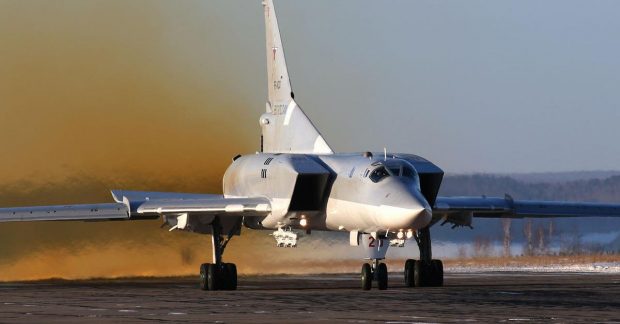
Technical Deficits and Fleet Wear: Expert Assesses the True State of Russia's Strategic Aviation
Russian strategic aviation faces a critical shortage of new engines and the loss of Soviet technological supply chains. According to expert Anatoliy Khrapchynskyi, struct…
 💼Economy
Finland Considers Building Major Border Fortifications with Russia Drawing on Ukrainian Experience
Finnish lawmakers are discussing the construction of tank barriers and defensive fortifications along the Russian border during peacetime, based on lessons from the war i…
 🛡️Security
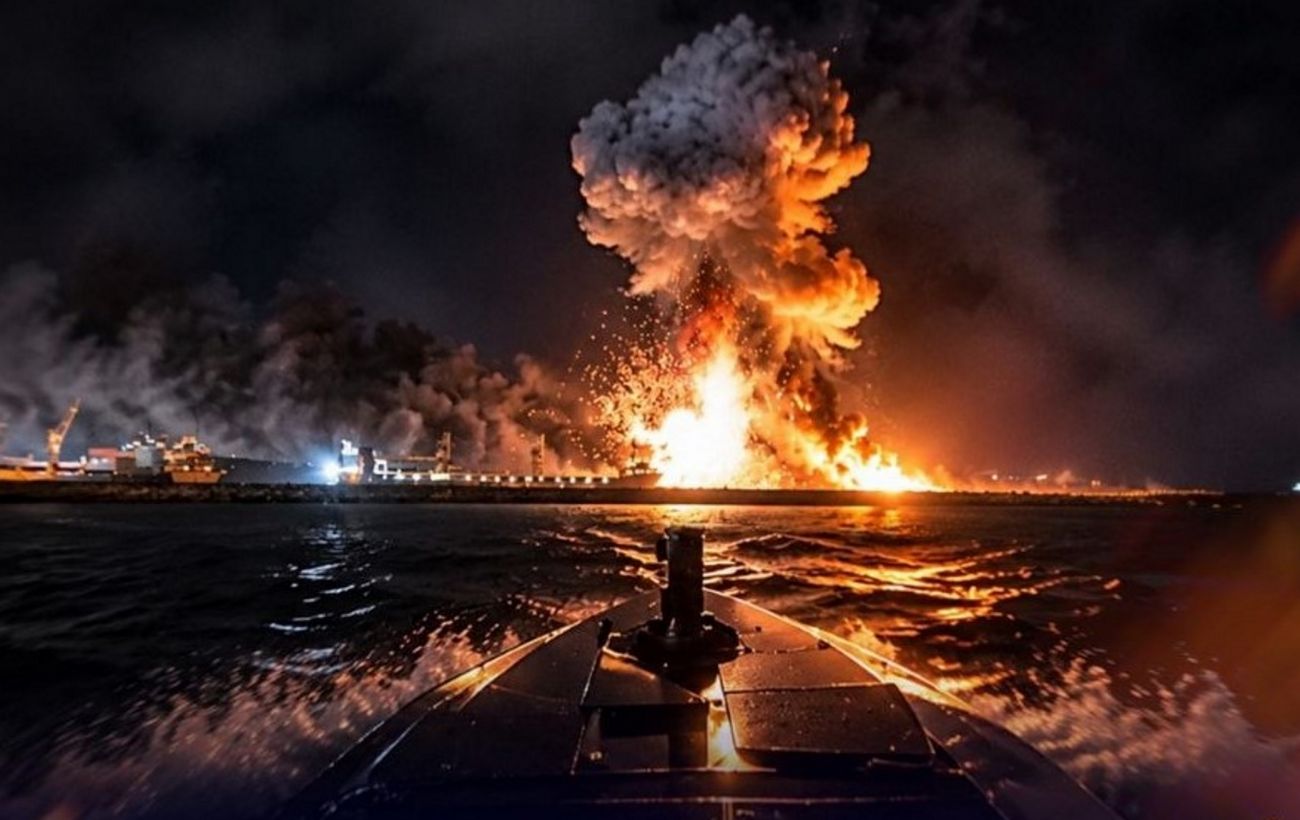
Ukrainian Naval Drones Strike Russian Corvette "Mercury" and Dry Cargo Ship MV ANGARA Off the Coast of Libya
Ukraine has confirmed a successful naval drone operation that resulted in the damage of the newest Russian corvette "Mercury" and the dry cargo ship MV ANGARA off the coa…
 🧠AI Analysis
Heating your home in winter: comparing the efficiency of electric heaters
An analysis of the efficiency and power consumption of popular household heaters: convectors, oil radiators, and fan heaters.
 🛡️Security
Rescue operation in Dymer: death toll rises to nine
Search and rescue operations continue in the town of Dymer following an enemy strike. Rescuers have recovered another body and saved a 79-year-old woman.
 🩺Health
Electricity Restored in Rivne Region After Russian Attack
Electricity has been restored in the Rivne region after a Russian attack left over 50 settlements without power.