Technical Deficits and Fleet Wear: Expert Assesses the True State of Russia's Strategic Aviation
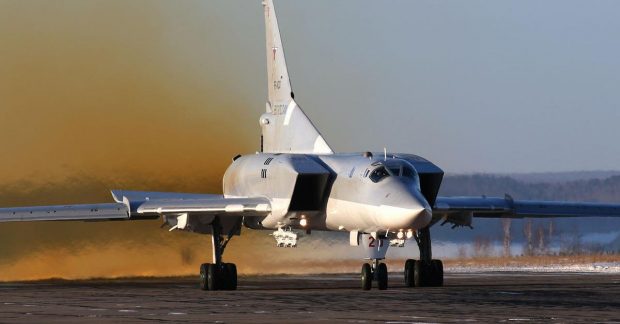
Russian strategic aviation faces a critical shortage of new engines and the loss of Soviet technological supply chains. According to expert Anatoliy Khrapchynskyi, structural wear and sanctions are forcing Moscow to limit missile salvoes.
 🚌Transport
Photo: UNIAN
Key points
- Russia is unable to resume serial production of critical engines for Tu-95MS and Tu-22M3 bombers.
- Logistics disruptions at Taganrog and international sanctions have stalled early-warning aircraft programs.
- Severe airframe degradation is forcing the Russian military to limit missile launch volumes.
The Russian Federation is facing severe technological constraints that render the serial reproduction of strategic combat aircraft and their engines virtually impossible. According to Anatoliy Khrapchynskyi, defense industry executive and reserve officer of the Ukrainian Air Force, Russia's strategic capacity is heavily bottlenecked by the loss of Soviet-era manufacturing networks.
Engine Shortages and Airframe Degradation
According to the expert, a major vulnerability for the Russian Aerospace Forces lies in engine manufacturing. The Tu-95MS cruise missile carriers depend on NK-12MP turboprop engines, while the supersonic Tu-22M3 bombers rely on NK-25 engines. Modern Russian industry cannot reproduce these complex units from scratch, forcing reliance on cannibalizing older airframes and depleting legacy storage reserves.
Khrapchynskyi highlighted that every combat sortie carried out with heavy ordnance accelerates airframe and wing structural fatigue far faster than peace-time operational guidelines allow. Meanwhile, efforts to assemble Tu-160M bombers in Kazan suffer from shortages of NK-32 engines and complex titanium beam welding requirements.
Strikes on Repair Hubs and Attack Aircraft Limits
Sustained Ukrainian operations have also disrupted Russia's maintenance logistics. Damage to the Beriev Aircraft Company facilities in Taganrog damaged support infrastructure for airborne early warning aircraft. Furthermore, strict international sanctions have crippled the development of the next-generation A-100 radar plane due to a severe shortage of western microelectronics.
The Su-25 ground-attack fleet faces similar decay. Because primary assembly during the Soviet era took place in Tbilisi, Georgia, modern Russia lacks native production lines for new single-seat Su-25 airframes and is restricted to retrofitting aging stock.
"Ultimately, the mathematics of war is working against the enemy, though they will squeeze these airframes to the very last rivet," Anatoliy Khrapchynskyi noted.
Source UNIAN — unian.ua/weapons/rosiya-maye-obmezheni-mozhlivosti-vidnovlyuvati-st… ↗
Read next
 💼Economy
Financial Market in November: How Currency Rates Changed in Banks and Exchange Offices
As of November 23, Ukrainian financial institutions recorded a decrease in average foreign currency rates, while exchange offices showed mixed dynamics.
 💼Economy
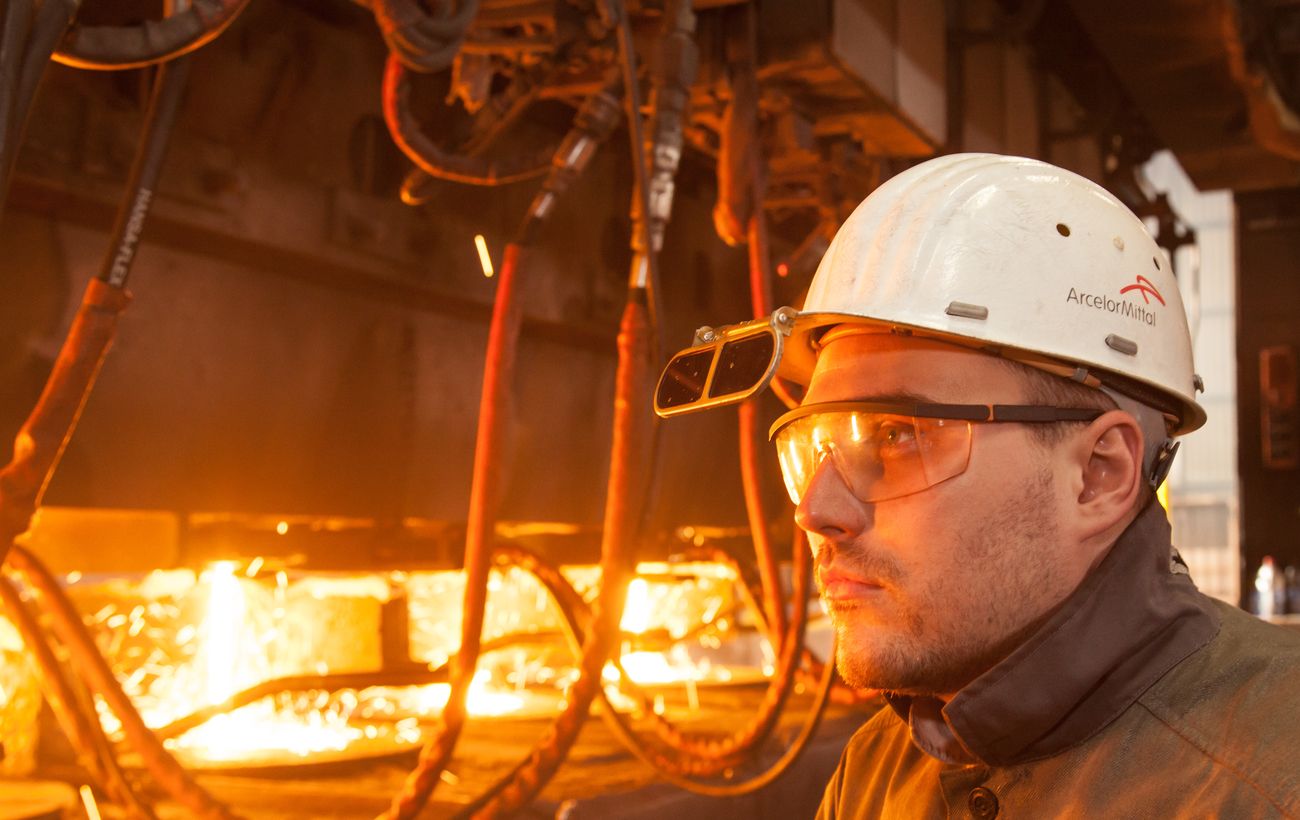
Taxes During Downtime: Experts Urge Financial Relief for ArcelorMittal
Due to the forced shutdown of the Kryvyi Rih metallurgical plant, the company continues to pay fixed taxes and salaries. Experts and lawmakers call for government support…
 💼Economy
Weather in early winter 2026: what Svitlovodsk residents should expect in December
Climatologists forecast a relatively warm December 2026 with temperatures above the norm, though residents should still prepare for occasional cold snaps and precipitatio…
 💼Economy
The Smallest Owl in Ukraine Spotted in the Chornobyl Reserve
Researchers in the Chornobyl Reserve have spotted the Eurasian pygmy owl, recognized as the smallest owl species in Ukraine.
 💼Economy
Actress Elizabeth Debicki showcased a trendy leopard print look in New York
Famous for her role as Princess Diana, actress Elizabeth Debicki was spotted by paparazzi walking through New York in a striking outfit featuring an animalistic pattern.
 💼Economy
Finland Considers Building Major Border Fortifications with Russia Drawing on Ukrainian Experience
Finnish lawmakers are discussing the construction of tank barriers and defensive fortifications along the Russian border during peacetime, based on lessons from the war i…