New Russian Army Tactics: OSINT Analysts Report Shift to 'Passive-Aggressive Infiltration'
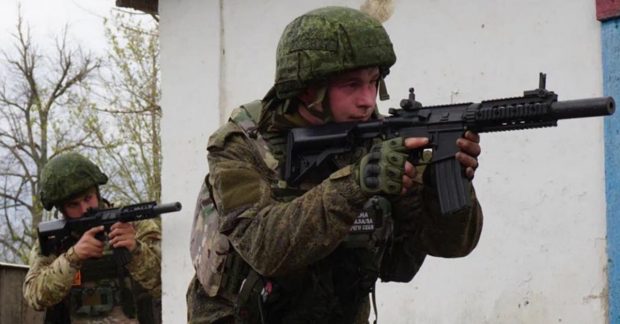
Russian forces have abandoned large-scale assaults in favor of small groups creating deep 'grey zones' to provoke counterattacks.
 🛡️Security
Photo: UNIAN
Key points
- Russia has shifted to 'passive-aggressive infiltration' tactics using small units
- The goal is to create deep 'grey zones' and provoke Ukrainian counterattacks
- Occupier reporting maps exceed actual territorial gains by five times
- Ukrainian forces successfully detect and eliminate dispersed groups using drones
Amid changing approaches to combat operations, the Russian military has begun employing a new offensive model characterized by open-source intelligence (OSINT) specialists as 'passive-aggressive infiltration.' Large-scale mechanized attacks of the past have taken a back seat due to heavy losses and the high efficiency of modern unmanned aerial vehicles, forcing the invaders to adapt their actions to the realities of a technological battlefield.
The Essence of the New Strategy
According to an analysis by researcher Monstas, published on the X platform, the Russian command changed its tactics during the summer campaign. Instead of holding positions and applying frontal pressure, small infantry units attempt to infiltrate as deeply as possible into Ukrainian defense lines, avoiding firefights. The main goal of such actions is not the immediate capture of strategic objects, but the creation of deep 'grey zones' and the artificial inflation of territorial achievement reports presented to higher leadership.
This strategy relies on the assumption that Ukrainian forces will be forced to launch counterattacks to locate and eliminate these dispersed groups. Subsequently, deployed drones and artillery attempt to inflict maximum damage on Ukrainian assault teams as they advance. At the same time, experts note that this approach comes with colossal personnel losses and heavily relies on 'paper' successes for internal Russian reporting.
Impact on the Frontline Situation
Experts emphasize that such maneuvers require unorthodox planning and a complete disregard by the Russian command for the lives of their own servicemen. However, Ukrainian Defense Forces are effectively countering these infiltration attempts by promptly detecting dispersed groups using reconnaissance UAVs and delivering precise strikes. The frontline situation remains tense, but the Ukrainian command continues to successfully adapt to the new challenges of the adversary's hybrid tactics.
Source UNIAN — unian.ua/war/viyna-v-ukrajini-na-fronti-rosiya-viprobovuye-pasivno-… ↗
Read next
 🎭Culture & Sport
Ecological Crisis in Tenerife: How Introduced Animals Are Threatening Unique Nature After Decades
Mouflons released on the Canary Island of Tenerife half a century ago have become a major ecological threat due to the lack of predators.
 🩺Health
How to Properly Prepare Grains for Cooking: Rules for Buckwheat, Rice, and Bulgur
Proper preparation of grains before cooking helps remove excess starch and dust, but each cereal requires an individual approach to washing.
 💼Economy
How to Save on Hair Care: Secrets of the Swedish Hair Washing Method
The Swedish hair care method is gaining popularity for its simplicity and lack of need for expensive cosmetic products. The technique helps deal with winter static and dr…
 🎭Culture & Sport
Air raid alert halts UPL match between Kryvbas and Kudrivka
A Ukrainian Premier League match was suspended due to safety concerns. The game was stopped before the first half ended.
 👥Society
Fiber Optic Procurement for Drones: Why Ukraine Lags Behind Russia in China
Ukraine and Russia are competing for Chinese fiber optics used in EW-resistant drones, causing prices to surge sixfold.
 👥Society
Drone attack in Gulf of Finland: Expert identifies targeted Russian ship
A drone attacked the Russian cargo ship Sparta II in the Gulf of Finland, a vessel previously used for military logistics and under international sanctions.