Patriot Missile Delivery Delayed: Pentagon Withholds Approval for 60 Interceptors
Approximately 60 Patriot interceptor missiles, some already funded by European allies and stored in EU arsenals, are currently stalled awaiting Pentagon approval.
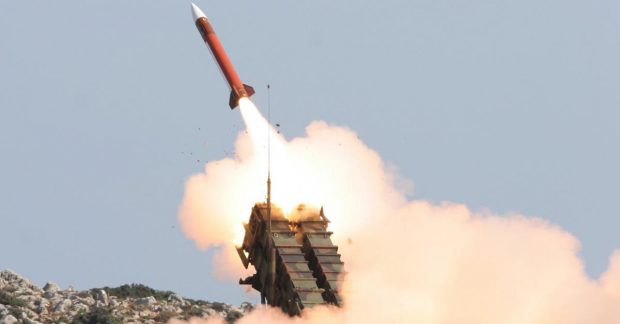 🇺🇦Ukraine
Photo: UNIAN
Key points
- 60 Patriot missiles (PAC-2 and PAC-3) are currently blocked by the Pentagon.
- European allies have already funded a portion of these missiles stored in EU warehouses.
- Ukraine's current acquisition rate of 12 missiles per month falls short of defensive requirements.
Despite prior agreements with Washington, the transfer of approximately 60 interceptor missiles for Patriot air defense systems to Ukraine has been put on hold. U.S. Defense Secretary Pete Hegseth has yet to grant the final authorization for the delivery, even though some of these munitions are already located in European stockpiles and have been paid for by Kyiv’s Western allies.
Details of the Stalled Shipments
According to sources cited by the Financial Times, the delay affects two types of munitions: the advanced PAC-3 interceptors and the older PAC-2 version. Specifically, about 40 PAC-3 missiles were scheduled for delivery between September and December 2024. However, none of these shipments have received the necessary clearance from the Pentagon. An additional 20 PAC-2 missiles are also awaiting approval.
Furthermore, the Pentagon has reportedly delayed a separate request regarding Ukraine's initiative to produce its own Patriot interceptor components. While such a move could bolster Ukraine's long-term defense autonomy, U.S. officials remain cautious about technology transfers and licensing during the ongoing conflict.
Official Responses and Air Defense Shortages
A Pentagon spokesperson stated that U.S. policy regarding support for Ukraine remains unchanged but declined to comment on specific delivery timelines. The department emphasized ongoing efforts to accelerate transatlantic industrial cooperation to stabilize future supplies.
Meanwhile, Ukrainian President Volodymyr Zelenskyy has highlighted a severe shortage of air defense capabilities. He noted that in 2026, Ukraine receives an average of only 12 missiles per month, which is insufficient to counter intensifying aerial attacks. Zelenskyy also mentioned delays in NASAMS deliveries funded through the PURL program, citing some nations' reluctance to deplete their own national arsenals.
"Some countries do not want to sell missiles because their societies fear they will be left with nothing," the President remarked regarding the diplomatic challenges.
While the U.S. recently approved a $2.1 billion sale of 500 Patriot PAC-3 missiles to Ukraine, these are not expected to arrive until the early 2030s, leaving a significant gap in current defensive needs.
Source UNIAN — unian.ua/weapons/ukrajina-mozhe-ne-otrimati-obicyani-patriot-u-pent… ↗
Read next
 👥Society
Pet safety in winter: why year-round parasite protection is essential
Veterinarians warn that the risk of fleas and ticks persists throughout the year, advising pet owners not to stop preventive measures in winter.
 🚨Events
Polish intelligence warns: Russian sabotage in Europe will continue even after the war ends
Polish intelligence coordinator Tomasz Siemoniak stated that Russia's hybrid aggression against European nations will not cease even after a peace agreement is reached in…
 🎭Culture & Sport
Documentary about Ukrainian National Guard wins Emmy Award
The film '24 Hours in the Kill Zone' received a prestigious international award in the 'News' category. The documentary depicts the heroism of the 'Rubizh' brigade soldie…
 🏛️Politics
SBI finds no evidence in case against SAPO head Oleksandr Klymenko
The State Bureau of Investigation reported that there are no procedural documents confirming covert investigative actions against the head of the SAPO and his family.
 🏙️City
Incident in South Korean Air Defense Zone: Russian Aircraft Approach Borders
Russian aircraft entered South Korea's air defense identification zone, triggering a brief alert due to the mistaken identification of the planes as North Korean.
 💡Tech
Google tests voice customization feature for Gemini AI
Google is developing a new feature for Gemini that allows users to create a custom AI voice using simple text descriptions.