Microplastics as a chemical irritant: new research on cellular risks
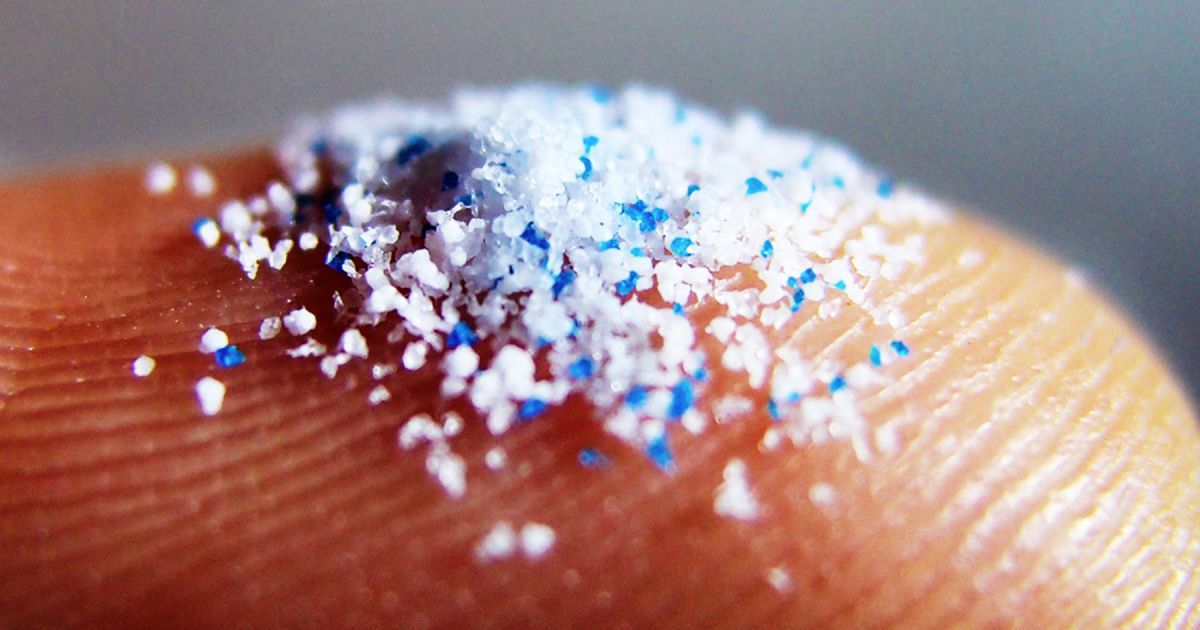
Scientists have discovered that microplastics in water can trigger chemical reactions that may damage biological structures.
 🩺Health
Photo: TSN
Key points
- Microplastics generate reactive oxygen species when in contact with water.
- Polyethylene and polypropylene are the most active types.
- Heating plastic increases the risk of releasing harmful particles.
Microplastics have proven to be a much more active pollutant than previously believed. According to research from Columbia University and the University of California, Berkeley, these tiny particles do not just accumulate in the body but actively interact with water chemically.
Chemical activity on plastic surfaces
When in contact with water, reactive oxygen species (ROS) form on the surface of microplastics. These compounds, including hydroxyl radicals, can damage DNA and cellular protein structures. Researchers tested six types of plastic, including polyethylene and polypropylene, finding that each exhibits a certain level of chemical activity.
Experiments on mouse red blood cells showed that interaction with plastic particles leads to deformation and cell destruction. Scientists emphasize that the risk increases when heating plastic containers or storing water in direct sunlight for long periods, as these conditions accelerate the breakdown of the material into smaller fragments.
Source TSN — tsn.ua/zdorovya/mikroplastyk-vyiavyvsia-nebezpechnishym-niz-vvazaly-shc… ↗
Read next
 🏙️City
Unique 9-kilometer-long European village amazes with its architectural structure
The Polish village of Suloszowa is famous for its unique layout, with all houses stretching along a single nine-kilometer road.
 🎓Education
Belgium to Close Airspace: Flights Grounded Due to Nationwide Strike
Belgium's airspace will be paralyzed due to a nationwide protest against austerity measures, leading to the cancellation of flights.
 🎓Education
Unique Herod-Era Tombs with Organic Artifacts Discovered in Palestine
Archaeologists in Jericho have uncovered three monumental tombs dating back about 2,000 years, containing rare samples of wood and textiles.
 🎓Education
Young Svitlovodsk Football Players Win CDYSS No. 1 Championship
Svitlovodsk hosted the CDYSS No. 1 youth football championship for the youngest trainees. The DYFC "Dnipro" Svitlovodsk team secured first place.
 🛡️Security
Strike on 5-story building in Kyiv region: 14 people missing after drone attack
A drone strike in Dymar, Kyiv region, partially destroyed an apartment building entrance, with emergency services conducting search operations.
 🛡️Security
Frontline situation: Russian forces infiltrate in small groups while Ukrainian Armed Forces counterattack
ISW analysts report ongoing attempts by Russian troops to infiltrate Ukrainian defense positions across multiple frontline sectors, met with counterattacks.