Destruction of Textbooks and Enforced Russification: How Occupiers Altered Education in Oleshky
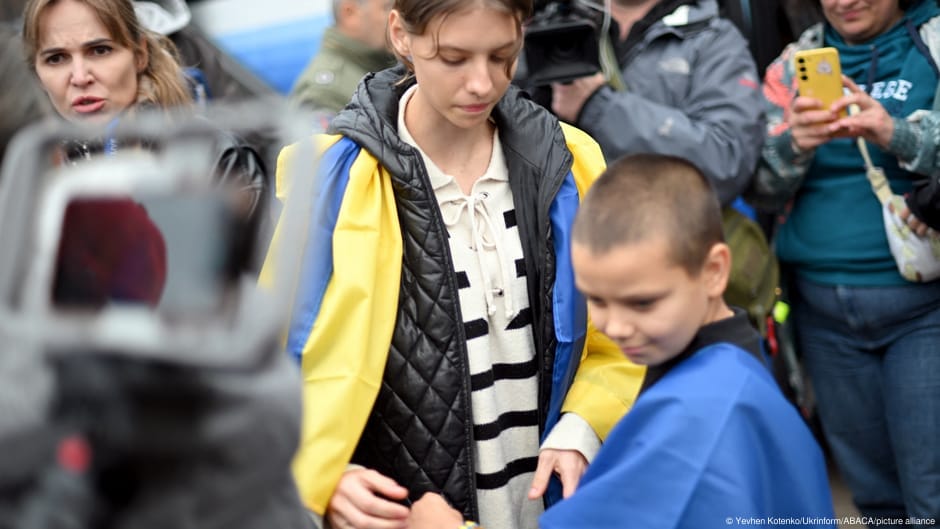
Former Radensk Lyceum director Nataliia Vasylieva detailed systemic pressure on teachers and students in the occupied Oleshky hromada during a European Parliament discussion and DW interview.
 🎓Education
Photo: AutoGN education · Освіта Україна
Key points
- The majority of educators in Oleshky refused to collaborate with occupation authorities.
- Ukrainian textbooks were systematically destroyed while teaching staff underwent retraining in Russia and Crimea.
- Parents faced threats of losing custody of their children if they refused to enroll them in Russian-standard schools.
Russian occupation forces in the Kherson region initiated a systematic liquidation of the Ukrainian school system immediately following the seizure of the territory. Nataliia Vasylieva, former head of the Radensk Lyceum under Oleshky City Council, detailed the destructive actions of the occupation forces and the forced Russification of the educational process during a European Parliament panel and in an interview with Deutsche Welle.
According to the educator, occupation officials seized the local education department during the initial days of Oleshky's capture. Most Ukrainian teachers firmly refused to cooperate, allowing educational institutions to operate remotely under Ukrainian curricula for a period. However, after keys were confiscated and access to buildings was barred, teachers were completely prevented from conducting classes on site.
Coercion of Families and Destruction of Literature
To fully launch schools under Russian state standards, occupiers brought in local collaborators along with staff imported from Russia. Educational personnel were sent for mandatory short-term retraining courses in Crimea and the Krasnodar Krai. Concurrently, Ukrainian textbooks covering history, language, and literature were removed from libraries and burned.
The learning environment was subjected to strict language enforcement. Students were forbidden from speaking Ukrainian and compelled to learn the Russian national anthem. Ukrainian language instruction was eventually reduced to a single weekly hour designated as "Rodnaya Rech" (Native Speech), while Ukrainian history was entirely removed from the curriculum under the pretext of denying the country's existence.
Threats and Psychological Trauma
Conducting online classes under Ukrainian programs became increasingly difficult due to compromised internet infrastructure and severe safety risks. Parents were coerced into enrolling children in occupied schools under threats of heavy fines or having their children removed to boarding institutions. School grounds were continuously guarded by armed military personnel.
Nataliia Vasylieva stressed that these actions constitute a severe violation of a child's right to identity, native language, and a safe childhood. The experience leaves profound psychological scars on students exposed to ideological coercion and isolation.
Read next
 🛡️Security
Tragedy in Dymer: Death Toll Rises to Six
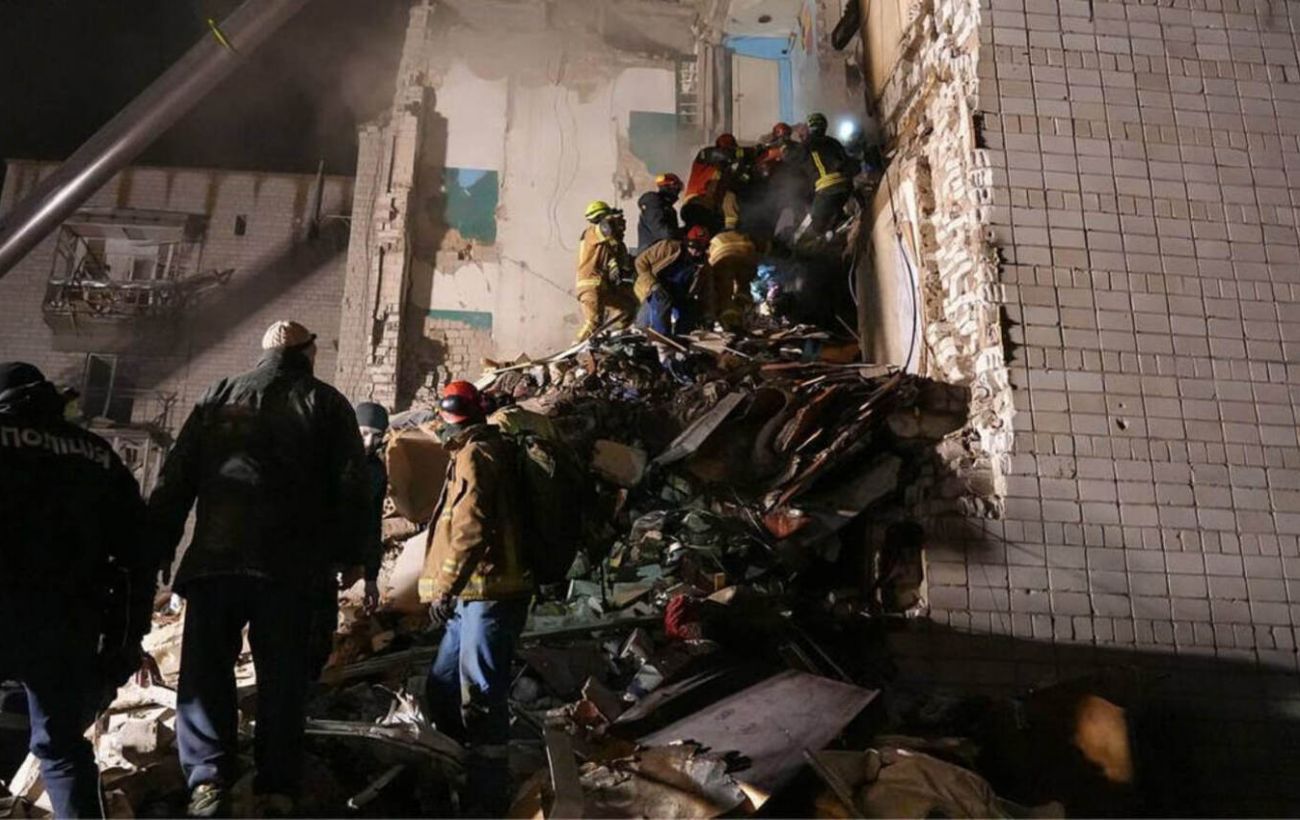
Rescue teams are clearing debris in Dymer after a drone strike on a residential building claimed the lives of six people.
 🚨Events
Police in Kharkiv investigate murder following reports of shooting
Kharkiv police have launched a special operation after discovering a man's body showing signs of violent death following a shooting incident.
 🏛️Politics
US considers providing Ukraine with security guarantees modeled on NATO
The US administration is initiating talks on a new European security architecture, which may include security guarantees for Ukraine.
 ⚽Sport
Goal-scoring drama in Serie A: Atalanta and Inter share the points
Atalanta and Inter Milan played out a thrilling 4-4 draw in the 12th round of the Italian Serie A.
 ⚽Sport
Artem Dovbyk considers move to Spanish club Valencia
Ukrainian striker Artem Dovbyk has expressed his willingness to change clubs due to a lack of playing time in Italy.
 🏛️Politics
Conditions for Security Guarantees: US Outlines Framework for Article 5-Style Commitments to Ukraine
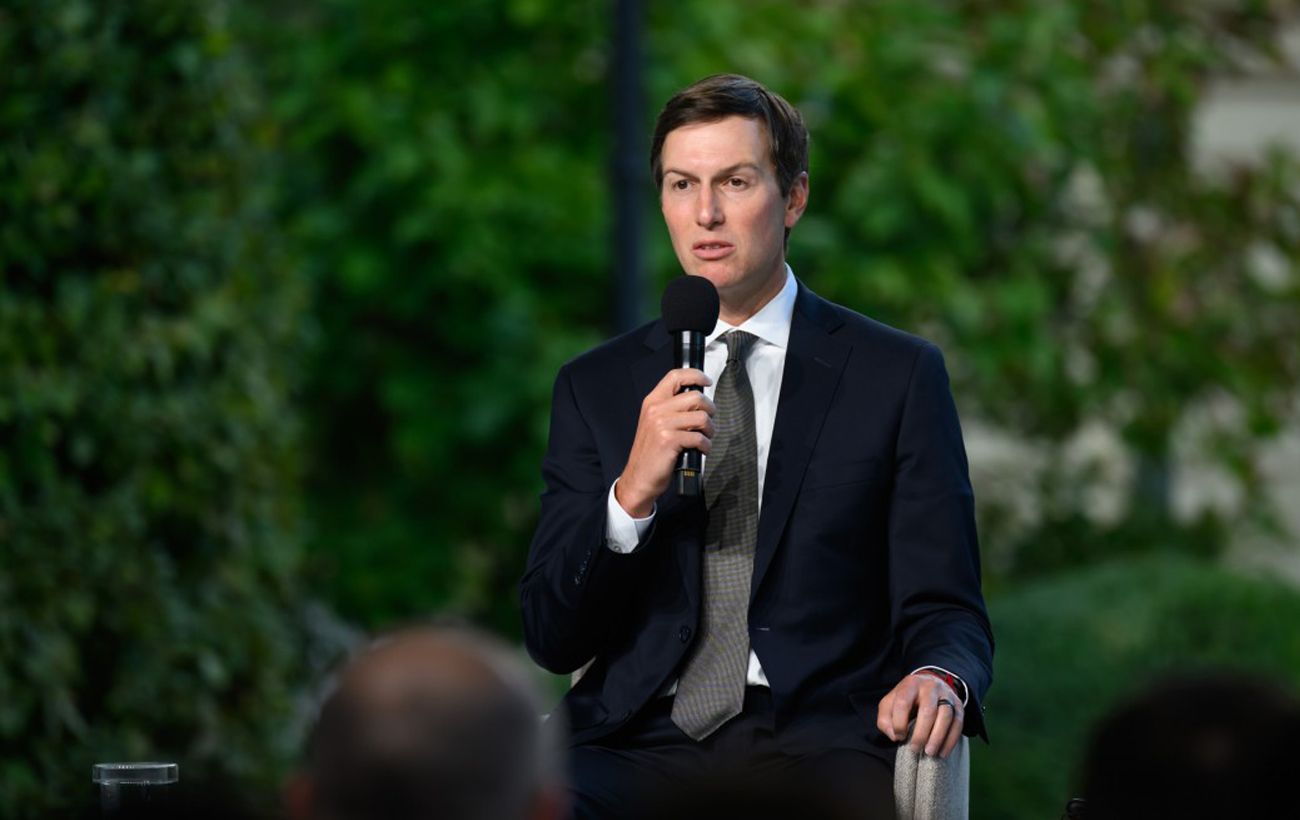
US Presidential Envoy Jared Kushner detailed the ongoing discussions regarding post-war security architecture for Ukraine and the conditions for American participation.