“Aquaterra”: archaeologists find traces of ancient civilizations on the seabed
Researchers have discovered that a significant part of human history is hidden underwater in territories flooded after the melting of glaciers.
 🎓Education
Photo: UNIAN
Key points
- The “Aquaterra” concept covers 22.5 million sq. km of submerged land.
- Archaeologists are finding traces of settlements and tools underwater.
- Coastal erosion threatens even 16th-century historical sites.
- Sea-level changes in the past significantly influenced human technological development.
The lost lands of humanity
Over the last 120,000 years, sea levels have shifted dramatically, leading to the submersion of vast coastal areas. Geographer Jerome Dobson coined the term “Aquaterra” in 1999, describing an area of approximately 22.5 million square kilometers that was once dry land. During glacial periods, these lands were habitable, but they were eventually swallowed by rising waters.
Underwater archaeological discoveries
Modern technology now allows scientists to explore these submerged sites. In the Gulf of Mexico and off the coast of Belize, artifacts have already been found, indicating ancient human activity, including settlement remains and tools. Archaeologists Michael Faught and Morgan Smith use seafloor mapping and soil analysis to reconstruct landscapes that existed thousands of years ago.
Beyond ancient sites, the sea is also claiming more recent history. Researchers note that coastal erosion is causing the loss of historical sites, such as 16th-century English colonies. This presents new challenges for the scientific community in preserving cultural heritage that is now at risk of being lost forever.
Source UNIAN — unian.ua/science/pid-vodu-pishla-susha-rozmirom-iz-pivnichnu-amerik… ↗
Read next
 🛡️Security
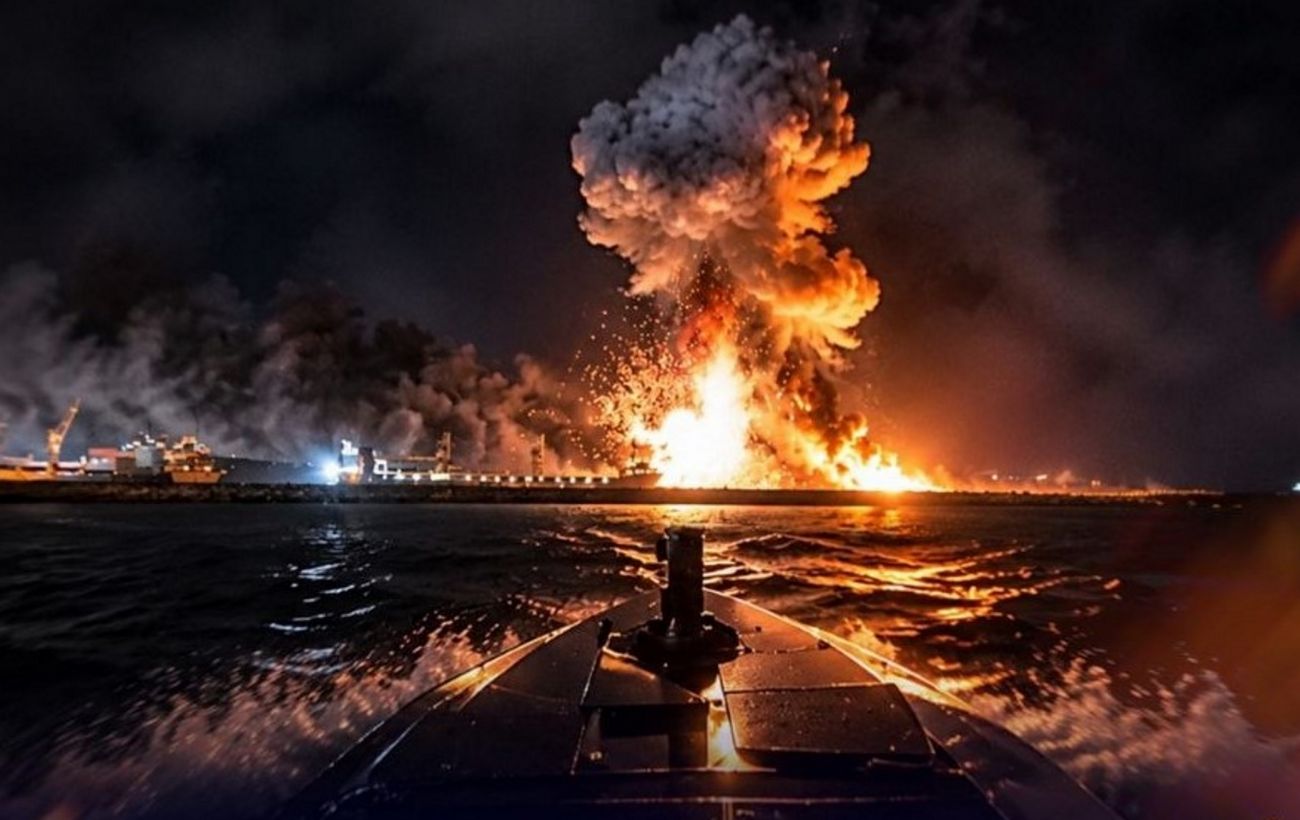
Ukrainian Naval Drones Strike Russian Corvette "Mercury" and Dry Cargo Ship MV ANGARA Off the Coast of Libya
Ukraine has confirmed a successful naval drone operation that resulted in the damage of the newest Russian corvette "Mercury" and the dry cargo ship MV ANGARA off the coa…
 🧠AI Analysis
Heating your home in winter: comparing the efficiency of electric heaters
An analysis of the efficiency and power consumption of popular household heaters: convectors, oil radiators, and fan heaters.
 🛡️Security
Rescue operation in Dymer: death toll rises to nine
Search and rescue operations continue in the town of Dymer following an enemy strike. Rescuers have recovered another body and saved a 79-year-old woman.
 🩺Health
Electricity Restored in Rivne Region After Russian Attack
Electricity has been restored in the Rivne region after a Russian attack left over 50 settlements without power.
 👥Society
Preparing roses for winter: tips for Svitlovodsk gardeners
Experts explain why you shouldn't rush into radical rose pruning in autumn and how to properly prepare plants for freezing weather.
 🛡️Security
Elderly woman rescued from rubble in Dymer: death toll rises
Rescue operations continue in the Kyiv region following a drone strike on a residential building, with the death toll reaching nine.