Daily Analytical Briefing: Infrastructure Challenges and Diplomatic Turbulence
Analysis of key events over 24 hours: the strategic importance of the 'battle of the bridges' for logistics, diplomatic shifts in Berlin, and the impact of energy attacks on economic stability.
Context and Major Events
The last 24 hours have been marked by an intensification of events at the intersection of military strategy, international diplomacy, and energy security. For the residents of Svitlovodsk, a strategic hub due to the Kremenchuk Hydroelectric Power Plant and its bridge crossing, news regarding the 'battle of the bridges' and new formats of international support are most critical. While major events are unfolding on the international stage, their consequences directly impact the logistical stability and energy resilience of our region.
Key Trends of the Day
- Strategic Infrastructure Vulnerability: Increased attacks on the Crimean Bridge and the commencement of pontoon bridge construction in Kyiv indicate a transition of the conflict into a phase of critical confrontation over logistical routes. For cities whose viability depends on bridge connections, this is a signal for increased readiness and civil protection measures.
- Diplomatic Reconfiguration: The Berlin summit and the involvement of Donald Trump's team in negotiations point to a shift in the paradigm of support for Ukraine. Germany's attempts to create a mechanism to protect financial aid from political fluctuations are a positive signal for long-term planning of local budgets.
- Economic Pressure via Energy: Successful drone attacks on Russian refineries (15 plants halted) combined with new EU loans for weapons procurement create new conditions for the fuel market. This could lead to price volatility, which is significant for the agricultural sector of the Svitlovodsk region.
Risks and Forecasts
Main Risks: Firstly, public disputes with tech giants (the Elon Musk case) create risks for the stability of specialized communications. Secondly, the Kremlin's plans to split Europe by 2027 require local communities to pay closer attention to information security and countering disinformation.
What to watch in the coming days: Firstly, the results of the US envoys' negotiations in Berlin, which will determine the volume of winter military aid. Secondly, the situation surrounding the appointment of a Russian representative to the IAEA, which directly affects the safety of nuclear facilities. Thirdly, the pace of construction of alternative crossings in the capital, which could serve as a model for other cities along the Dnieper.
Read next
 🛡️Security
Russian drone attack damages building near Dutch Embassy in Kyiv
A Russian drone strike on Kyiv on November 19 damaged a building located near the Embassy of the Netherlands. No injuries were reported among the diplomatic staff.
 🛡️Security
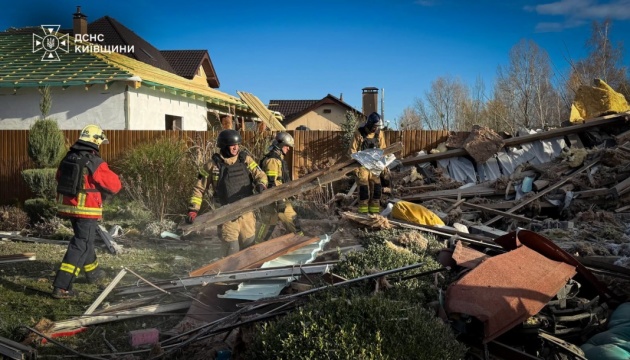
Consequences of overnight drone attack on Kyiv region: one dead, several injured
A Russian drone attack on the Kyiv region has resulted in the destruction of private homes, one fatality, and several injuries.
 🇺🇦Ukraine
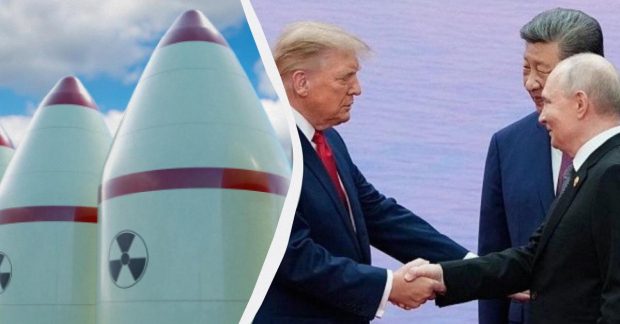
Beijing's Nuclear Rhetoric: Expert Assesses Xi Jinping's Disarmament Call
The Chinese leader's call for a complete ban on nuclear weapons is seen as a pressure tactic against the US and Russia. Analysts view this as part of China's pragmatic st…
 🇺🇦Ukraine
Kremlin denies discussion of humanitarian mission in Kostiantynivka during summit with Trump
Kremlin spokesperson Dmitry Peskov stated that the issue of a five-day ceasefire in Kostiantynivka was not raised during the trilateral talks in Shenzhen.
 🇺🇦Ukraine
Elon Musk expresses regret over massive financial support for Republicans
American billionaire Elon Musk has admitted that spending hundreds of millions of dollars on Republican candidates did not yield the expected political results.
 🏛️Politics
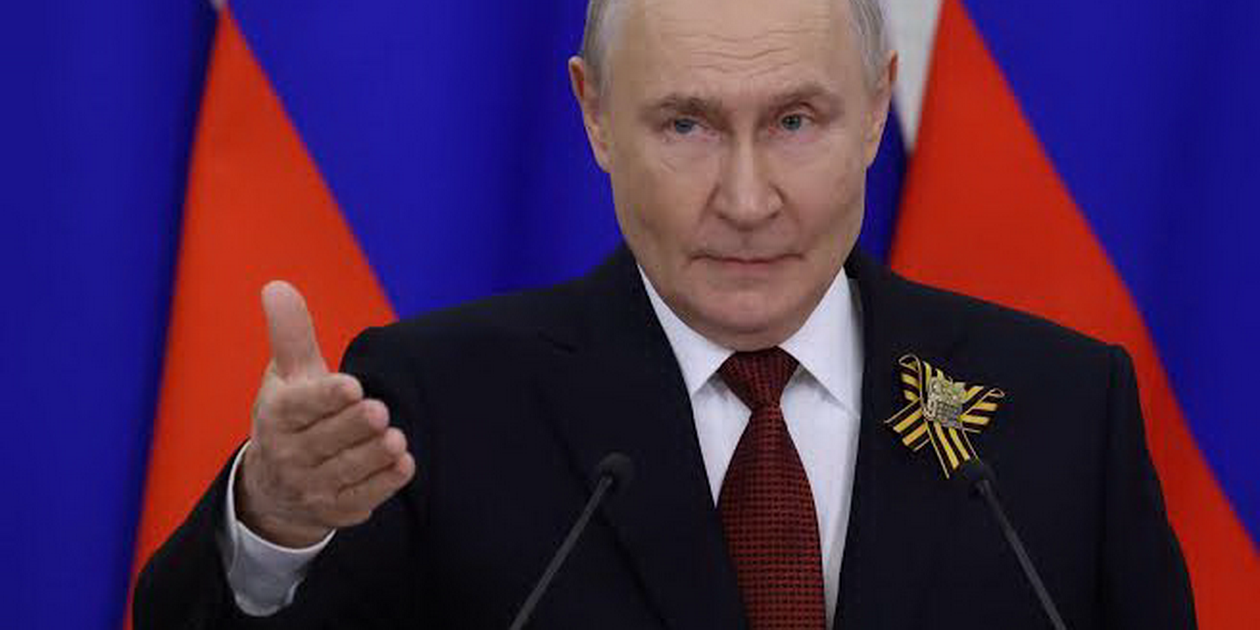
Kremlin’s Historical Logic: Putin Cites Yalta Conference to Justify Ukraine War at Shenzhen Summit
At a trilateral summit in China, Vladimir Putin claimed the 1945 Yalta Conference didn't divide the world but merely 'fixed realities,' drawing a parallel to the current …