Natural Immunity Boost: Why Sauerkraut Is Essential for Seniors' Daily Diet
Nutritionists advise older adults to consume 150 grams of sauerkraut daily to strengthen immunity and support gut health. This affordable fermented food is rich in vitamins, minerals, and lactic acid bacteria.
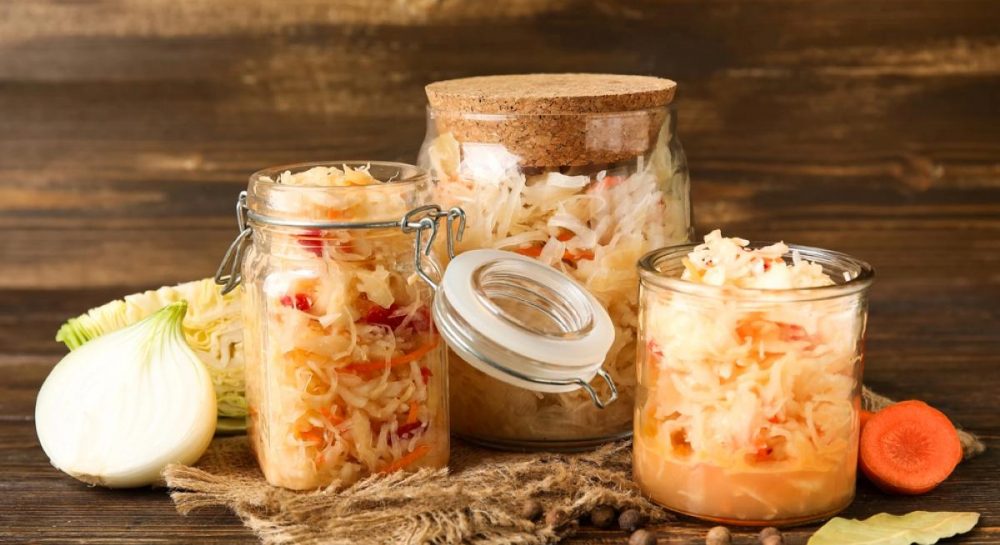 🩺Health
Photo: UNIAN
Key points
- A 150 g daily serving of sauerkraut provides essential fiber, vitamin C, potassium, and iron
- Lacto-fermented foods improve gut health and ease IBS symptoms in older adults
- Autumn produce like beets, carrots, peppers, and apples can also be fermented for health benefits
As the cold season approaches, supporting the immune system becomes a priority for older adults. With age, the body's natural defense mechanisms gradually weaken, making seniors more susceptible to infections and slowing down recovery. According to nutrition experts, an effective and accessible way to boost health is by incorporating traditional sauerkraut into the daily diet.
Nutritionist Dr. Bartosz Kulczyński explains that a single 150-gram serving of sauerkraut delivers a rich blend of essential nutrients. It provides 4 grams of dietary fiber, 22 milligrams of vitamin C, 35 micrograms of folates, 250 milligrams of potassium, and 2.22 milligrams of iron. The acidic environment helps keep vitamin C stable, while natural fermentation enriches the cabbage with beneficial lactic acid and active bacteria.
Gut Health Benefits and Anti-Inflammatory Properties
The positive impact of fermented vegetables on digestion is supported by scientific research. Dr. Kulczyński highlights a 2018 study titled “Lacto-fermented sauerkraut improves symptoms in IBS patients independent of product pasteurisation”, which demonstrated that sauerkraut alleviates gastrointestinal discomfort in individuals with irritable bowel syndrome. Additionally, regular consumption helps reduce constipation, a common issue among the elderly.
Beyond improving gut flora, fermented foods exhibit antibacterial and antiviral properties. According to the National Center for Nutrition, fermented vegetables are packed with antioxidants that neutralize excess free radicals. Researchers note that eating fermented produce enhances nutrient bioavailability, reduces internal inflammation, and offers anti-tumor benefits.
Expanding Fermentation Beyond Cabbage
Experts point out that fermentation is not limited to cabbage and cucumbers. Autumn is the ideal season for preparing fermented foods due to the abundance of fresh produce. Beets, carrots, onions, leeks, zucchini, bell peppers, and cherry tomatoes can all be fermented. Furthermore, fruits such as apples, pears, plums, and lemons are also suitable for fermentation, offering a healthy variety for the daily table.
Source UNIAN — unian.ua/curiosities/kvashena-kapusta-pislya-60-chim-korisni-150-g-… ↗
Read next
 👥Society
Preparing roses for winter: tips for Svitlovodsk gardeners
Experts explain why you shouldn't rush into radical rose pruning in autumn and how to properly prepare plants for freezing weather.
 🛡️Security
Elderly woman rescued from rubble in Dymer: death toll rises
Rescue operations continue in the Kyiv region following a drone strike on a residential building, with the death toll reaching nine.
 🛡️Security
Russian corvette 'Merkury' in Libya: potential Ukrainian drone attack
An explosion occurred on board the Russian warship 'Merkury' in the port of Benghazi, potentially caused by a maritime drone strike.
 🛡️Security
Russia tests NATO defense algorithms through airspace violations, expert says
Retired Colonel Dmytro Kashchenko stated that Russia uses missile incidents near NATO borders to probe the Alliance's readiness.
 💡Tech
Scientists revive 40,000-year-old bacteria from permafrost: climate concerns grow
Researchers from the University of Colorado have demonstrated that ancient microorganisms can rapidly reactivate as permafrost thaws.
 💼Economy
Ukrainian farmer grows a giant pumpkin weighing 350 kilograms
A resident of the Cherkasy region, Oleksiy Buryachenko, grew a giant pumpkin on his plot and shared it with the local community.